Energy
Do you feel more alert within two hours after morning movement? Rate focus from 1–5 before and after a week of lunch walks. If energy drops, check sleep and meal timing first, then try gentler sessions.

Some people notice changes in energy, mood, or comfort when they move regularly. Experiences differ—this page describes common observations, not promises.
Sitting all day can make you feel tired even after a good night’s sleep. A ten-minute walk mid-morning or after lunch gets blood moving and rests your eyes from the screen. Many people think more clearly when they sit back down. You do not need to sweat—a comfortable pace is enough, and you will not need a shower.
Drink water before you walk, especially when it is hot. If meetings run long, stand for the first two minutes of a call, then walk on your next break. Small breaks like this often beat one long sit and then more coffee.
Moving your body can pull you out of worry loops and give you daylight if you go outside. Ten minutes of walking, easy biking, or gentle dancing can ease tension after a hard conversation. This is not a substitute for professional mental health care when you need it—but it can be a healthy tool you control.
Think of movement as a reset you can do anywhere—no gym card required.
Keep it fun: a podcast, a walk with your dog, or a new street in your neighborhood. If you enjoy it, you are more likely to do it again next week.
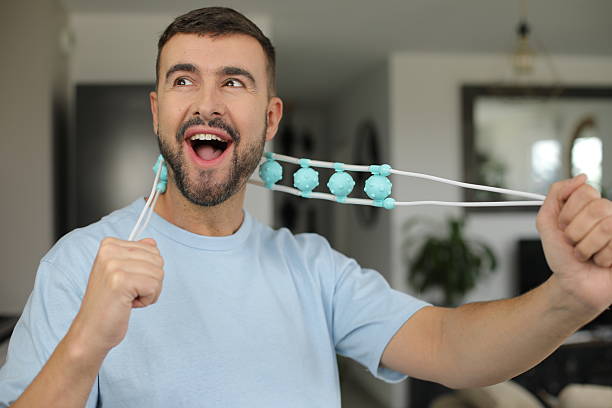
Short stretches help hips and shoulders stay loose after desk work. Walking strengthens legs and ankles for errands and travel. Simple strength moves make it easier to stand up from a chair or carry groceries. Changes come slowly—notice tying shoes, reaching up, or playing on the floor with kids.
Regular breaks may mean less stiffness at the end of the day.
Daylight can help your sleep schedule when your day allows it.
Add a little more walking or strength slowly—many people increase about ten percent per week. Wear layers you can take off as you warm up. With headphones outside, keep volume low enough to hear cars. If pain does not go away, talk to a healthcare provider instead of pushing through.
Changes from ten minutes a day, if any, often show up slowly—so it helps to know what to watch for in your own experience. Hover over each block below for simple journal questions. This is not a promise of results. Some readers report patterns such as fewer afternoon slumps, easier standing after desk work, calmer transitions between tasks, or walking time with family—others may notice little change, and that is normal. Write honest notes so you adjust your plan instead of quitting when progress feels slow. If nothing shifts after a month of consistency, try a small change before stopping. Rate categories from 1 to 5 each Sunday for personal tracking only, not as a medical measure. Community events are optional social activities, not clinical care.
Do you feel more alert within two hours after morning movement? Rate focus from 1–5 before and after a week of lunch walks. If energy drops, check sleep and meal timing first, then try gentler sessions.
Note stress level before and after sessions. Many people use walks as a buffer between work and home. Try music-free outdoor minutes to notice surroundings—small mindfulness boosts can accompany physical activity.
Track how long you can sit comfortably or reach overhead without strain. Mobility-focused days often support comfort more than speed. Add hip and chest stretches if desk time exceeds six hours.
Could one session per week include someone else? Walking meetings, family stretch breaks, or community events turn movement into shared time. Connection reinforces habits through accountability and fun.

Each Sunday, answer one question per category above. If three areas improve, keep your routine. If only one improves, try other activities on our activities page. Slow and steady beats pressure.
Walking to nearby errands when you can saves a car trip and fits daily life. Sports leagues, park cleanups, and school walk events extend movement beyond solo sessions. When families move together, kids learn that activity is normal—not a punishment.
Build Your Habit Contact Us