Walking
0–2 min: Easy pace, loosen shoulders. 3–8 min: Brisk walk, breathe rhythmically. 9–10 min: Slow down, roll ankles. Pair with podcasts or voice memos to make it enjoyable.

Walk, stretch, or do simple strength moves—mix them through the week so it stays interesting.
How to Do the MovesWalking is the easiest start for most people. Walk briskly on flat ground—you should feel warmer within two minutes. Speed up between mailboxes or lamp posts, then slow down. Working from home? Walk inside or in the yard during calls without video. Time on your feet matters more than distance at first.
In cities like Atlanta, use well-lit routes, cross at lights, and wear bright colors at dusk. Combine walking with errands—get the mail, water plants, or walk to a nearby shop instead of driving when you can.
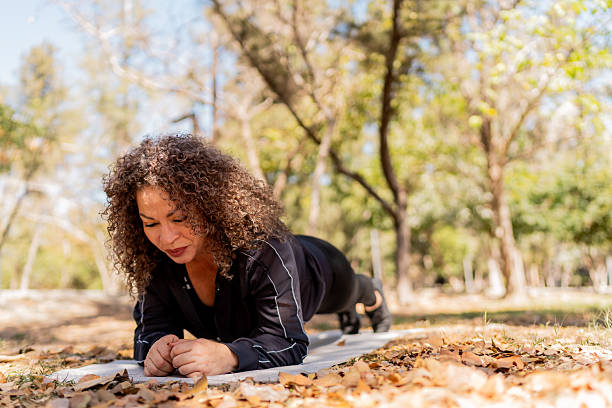
Sitting tightens hips, chest, and wrists. Try neck nods, shoulder rolls, gentle twists in a chair, hip stretches, and ankle circles. Move slowly—about five seconds each way—and breathe out as you stretch. This is not cardio; it helps you feel looser when you stand up after long meetings.
Stretch before and after travel or yard work. Keep a short list of five favorite moves near your screen. If you wear heels, switch to flat shoes while you stretch.
Try chair squats, push-ups on a counter, bending at the hips with hands on thighs, and leg lifts holding the counter. Work 30 seconds, rest 20 seconds, repeat twice. Move smoothly—not fast. Stop when your form breaks down.
Detailed form cues live on our Exercises page.
Change the type of movement through the week. Adjust for your energy and the weather.
Brisk walk, then two minutes of shoulder squeezes.
Full stretch routine inside or on the porch.
Bodyweight circuit, two rounds.
Dancing, gardening, or playing outside—all count if you keep moving.
Not sure what to do today? Hover over a card below for a minute-by-minute plan. Mix walking, stretching, and strength through the week so you do not get sore from doing the same thing every day. At a desk? Try two minutes of posture stretches, six minutes of walking, two minutes of calf raises. At home with kids? March while tidying, squat carefully to pick up toys, stretch while dinner cooks. In Atlanta summers, walk in the shade before 10 a.m. or after 6 p.m.; on rainy days, walk halls or use stairs slowly with the handrail. Stiff? Start with stretching. Restless? Start with a walk. Want full-body work? Pick strength. Busy day? Do two five-minute blocks instead of one ten. Keep shoes and water out so you do not waste time deciding. Notice how you feel at 3 p.m.—your own notes matter more than copying someone else’s routine online.

Example: walk + stretch on Tuesday, strength + walk on Thursday, free choice on Saturday (hike, bike, or play). Stay near ten minutes until the habit feels easy for a full month. Write down what you did so you can repeat what you liked.
How to Do Strength MovesYes. Example: five minutes walking plus five minutes mobility. Keep total time near ten minutes when starting.
Move indoors: march in place, stairs, or follow a mobility video in a cooled room.
Short bouts are fine for many people; use handrails, wear supportive shoes, and step at a controlled pace.